Media3 1.11 is out. Powering the vast majority of top Android media apps, this release brings new features, bug fixes, and improvements across playback, editing, and UI components. We're expanding our Jetpack Compose UI modules with customizable Player slots and easy to use defaults, interactive gestures, state observers, and short-form video preloading using PlayerPool. We also modernized the Media3 Cast integration with SystemUI Output Switcher support, introduced a new Ktor HTTP client network extension, and added new muxing utilities for Ogg and WAV files.
Read on for key highlights, and check out the full release notes for a comprehensive list of changes.
Playback UI and Compose
With Android becoming Compose-first, we are continuing to expand the media3-ui-compose and media3-ui-compose-material3 modules. This update introduces more granular control over your player layout, richer interaction patterns, and deeper integration with Material3.
Customizable Player layout
The Material 3 Player Composable now supports dedicated content slots for topControls, centerControls, bottomControls, and errorOverlay. You can drop in your own Composables or use the ready-made defaults published in PlayerDefaults:
Player(
  player = player,
  topControls = { PlayerDefaults.TopControls(player) },
  centerControls = { PlayerDefaults.CenterControls(player) },
  bottomControls = { PlayerDefaults.BottomControls(player) },
)
The Player Composable also integrates FocusRequester support, enabling seamless D-pad and keyboard navigation on Android TV, foldables, and desktop environments. large-screen devices.
 Example for a Composable Player with customized controls
Gestures and playback speed control
PlaybackSpeedState now provides a fast-forward/slow-motion API. The demo-compose app showcases this with a long-press gesture to fast-forward playback and seeking with double tap. Combined with the ProgressSlider introduced in 1.10, the Compose player UI now offers rich touch and gesture interactions out of the box.
Short-form video preloading with PlayerPool
For apps with sliding-window media feeds (for example, short-form vertical video), managing multiple ExoPlayer instances efficiently is a common challenge. Media3 1.11 introduces PlayerPool (in common-ktx) and rememberPooledPlayer (in ui-compose) to handle player recycling and preloading automatically.
The new ShortFormPlayerScreen in demo-compose shows this in action, a vertically paging feed where players are pooled, preloaded, and seamlessly recycled as the user scrolls.
MiniController
A new MiniController Composable in media3-ui-compose-material3 provides a compact playback bar displaying the current item's title, artist, artwork, and progress alongside play/pause controls. As all our default Composables in media3-ui-compose-material3, the MiniController supports Material3 Dynamic Color integration, allowing it to automatically adapt to the user's wallpaper theme.This is ideal for persistent bottom-sheet or mini-player affordances, for example while the user browses content or during active Cast sessions.
 The Media3 MiniController showing album art, media metadata and basic controls
Expanded state holders for metadata and errors
We added several new reactive state holders to media3-ui-compose:
rememberCurrentMediaItemState – observe metadata about the currently playing itemrememberPlaylistState – observe the full playlist and active indicesrememberErrorState – track playback errors, with a matching ErrorText Composable and default ErrorOverlay in Material3
We'll continue working on new additions and more customization options in upcoming releases. Please share your thoughts on the project issue tracker.
Modernized Cast integration
Media3 1.11 updates the Cast extension with programmatic configuration options and support for OS-level routing.
CastParams and SystemUI Output Switcher
You can now configure the Cast extension using CastParams:
val castParams = CastParams.Builder()
  .setShowSystemOutputSwitcherOnCastButtonClick(true)
  .build()

Cast.getSingletonInstance(context).initialize(castParams)
Setting setShowSystemOutputSwitcherOnCastIconClick(true) configures the MediaRouteButton to open Android's native SystemUI Output Switcher on supported platform versions, providing a unified output picker experience.
Reactive MediaRouteButton state in Compose
Apps using Jetpack Compose can now easily add the Media routing button (also known as Cast button), which automatically observes the dialog state and updates accordingly. No further logic needed when used together with Media3's CastPlayer!
@Composable
fun TopAppBarWithCast() {
  Row {
    Text(text = "App Title")
    MediaRouteButton()
  }
}
 Media3 media route button in an app launching the default output switcher dialog
Core playback and session enhancements
Eclipsa Video - HAGC dynamic HDR metadata (API 37+)
Eclipsa Video promises a more consistent HDR experience across devices, with a consistent baseline HDR white, adaptive headroom depending on the screen and the surroundings, ensuring the creative intent is preserved on all devices.
ExoPlayer now supports playback of the necessary HAGC (ST 2094-50) timed metadata for progressive media (MP4, Matroska). The player automatically merges HAGC metadata tracks with the associated video track and delivers the metadata out-of-band to the decoder on API 37+ devices. On older devices, ExoPlayer seamlessly falls back to providing a standard HDR playback experience without the adjustments.
Illustration to show benefits of Eclipsa Video HDR, like more consistent color contract
New Ktor HTTP client extension
A new media3-datasource-ktor extension module provides KtorDataSource, backed by the Ktor HTTP stack. This offers a Kotlin-first, coroutine-friendly alternative to the existing Cronet and OkHttp data source modules.
Asynchronous MediaSession connections
MediaSession.Callback now includes onConnectAsync(), which lets you process controller connection attempts asynchronously — for example, to verify authorization before accepting a connection. You can return an immediate Future with Futures.immediateFuture(ConnectionResult) for the same behavior as the existing onConnect.
override fun onConnectAsync(
  session: MediaSession,
  controller: MediaSession.ControllerInfo
): ListenableFuture<MediaSession.ConnectionResult> {
  return authenticateControllerAsync(controller)
}
Safer MediaSession defaults
For apps that don’t override onConnect or onConnectAsync in MediaSession.Callback, the library now defaults to a more secure configuration. Specifically, session data is no longer shared by default with untrusted controllers, meaning third-party or non-system apps lacking notification access are restricted from accessing session data unless you explicitly implement these callback methods to authorize the connection.
New Muxer implementations & container parsing
OggMuxer and WavMuxer
We've added two new dedicated muxers: OggMuxer for muxing OPUS and VORBIS streams into standard .ogg files, and WavMuxer for generating uncompressed and floating-point PCM .wav audio files.
Container parsing and track references
- MP4 Track References (tref):
Mp4Muxer.addTrackReference allows linking dependent metadata or aux tracks to primary video streams.
- Chapter Extraction: QuickTime and Nero chapter from MP4 files (.m4a, .m4b), and Matroska chapters, are now extracted as Chapter metadata entries for audiobook and podcast navigation.
Please use the issue tracker to report any bugs, or if you have questions or feature requests. We look forward to hearing from you!
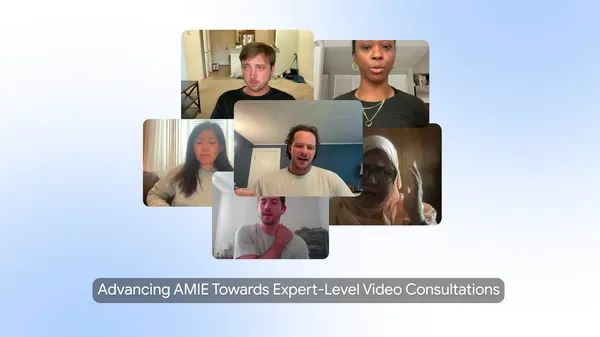 Google introduces AMIE for real-time clinical video consultations in simulated settings.
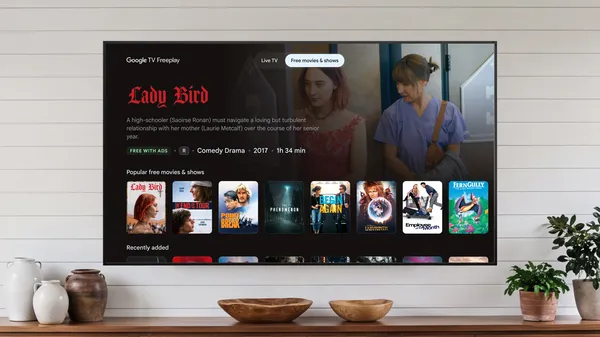 Google TV Freeplay now offers over 10,000 free on-demand movies and shows, — plus, 300+ live channels, with no subscription needed.


 The Gemini app has officially surpassed 1 billion monthly users, making it the fastest-growing product in Google’s history. Here’s some data about how people are using G…