To improve the developer onboarding and usage experience, we built a new homepage for the Google Ads API in the Google Cloud Console. Basic Access applications are now automated for developers who have completed brand verification. This blog post covers several related changes that will start rolling out today. Developers should review the action required section of this post to ensure a smooth transition.
Changes to API access management
We are updating how you sign up for and manage Google Ads API access.
New onboarding experience for Google Ads API: You can now sign up for access to the Google Ads API directly in the Google Cloud Console without requiring a Google Ads manager account. We are sunsetting all the new signup and API access management functionality in the API Center page in manager accounts and transitioning to the Google Ads API Overview page in Google Cloud Console. You can still access the API Center page to refer to your old developer details. This page will completely sunset in the future.
API Access levels are associated with Google Cloud projects: We are sunsetting developer tokens. Your current and active developer token access level is automatically transferred to your Google Cloud projects based on recent API activity. You can continue sending developer tokens in your API call headers, but this is optional and ignored by the API servers. Your existing code will continue working without any changes. Your API Access levels are now determined by the Google Cloud project you used to generate your OAuth credentials. Refer to our FAQ page to learn more about this change and troubleshoot any issues you may encounter.
New error code: Version v25 of the Google Ads API will throw a CLOUD_PROJECT_NOT_APPROVED_FOR_PRODUCTION error if you try to use a Google Cloud project with Test Account Access level to make calls to a production account. Older API versions will throw an ACTION_NOT_PERMITTED error instead. If you run into this error, navigate to the Google Ads API Overview page for your Google Cloud project and apply for Explorer Access.
Changes to API review process
Brand verification required for Basic and Standard access: For new Basic and Standard Access applications, you must complete brand verification for your Google Cloud project . Existing access holders are not required to complete brand verification, though it is encouraged.
Automated Basic access approvals: Basic Access applications are now automated and will be reviewed within minutes after brand verification and submission.
One-time rejection of pending Basic access applications: Due to these process updates, all the pending Basic API access applications will be closed as part of this transition. Affected applicants will receive an email with details and should reapply for API access from the Google Ads API Overview page.
Action required
Verify your API access: Check that your project's API access level correctly matches your existing developer token:
- Find your developer token's access level in your Google Ads manager account's API Center.
- Confirm your Google Cloud project has the same access level on the Google Ads API Overview page.
- If the access levels do not match, please reapply for API access from the Google Ads API Overview page or reach out to the Google Ads API support if you need help.
Update your API contact email address: Visit the IAM (Identity and Access Management) page for your Cloud project. Ensure that the list of users in the owner and editor roles are up to date. We will start sending Mandatory Service Announcements (MSAs) to these email addresses to notify you about any future changes to the Google Ads API.
Code changes: We encourage you to update your application code to stop sending developer tokens as part of the API calls. We have published new versions of the client libraries which allows you to make API calls without setting a developer token. We will start rejecting developer tokens in API calls in a future major version of the Google Ads API.
Reapply for API access if applicable: If your pending Basic API access application was closed as part of this transition, please reapply for an API Access from the Google Ads API Overview page of your Google Cloud Console.
We have published updated documentation to help you navigate these changes. For technical support issues, refer to our FAQ page or reach out to Google Ads API support. If you have any questions or want to discuss this post, please reach out to us on our Google Advertising and Measurement Community Discord server.
 - Anash P. Oommen, Google Ads API Team
 We’re launching the Gemini app for Windows, the new desktop app built to work alongside your favorite tools and daily applications.
 Search can help runners get race-day ready with registration alerts, tailored training plans, and more.
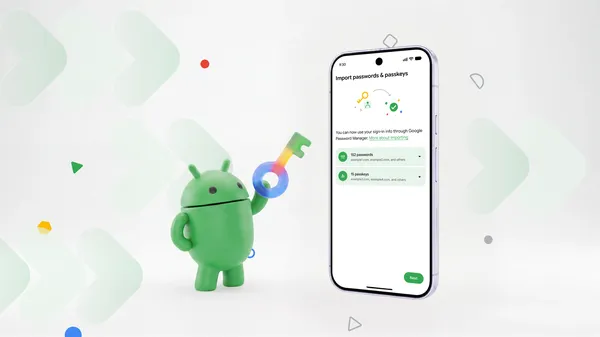 A new Android feature lets you securely transfer passwords and passkeys between password managers.
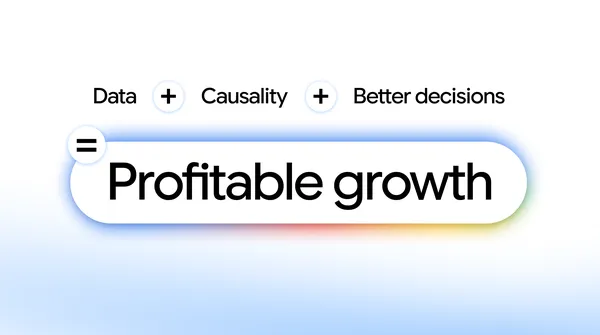 New capabilities across our measurement suite can help you make better, faster decisions that drive business growth.
 A new weekend explores how artists, digital innovation and AI are reshaping the world we live in.
