Google announced the transition from assistive AI to independent agents, highlighting the launch of the Gemini 3.5 series and major updates to its Antigravity agent-first development platform. For mobile developers, the post introduces new Android CLI tools, the Android Bench evaluation leaderboard, and an automated Migration agent designed to rapidly convert various frameworks into native Kotlin code. Web development is also being transformed through Chrome DevTools for agents, the HTML-in-Canvas API, and the proposal of WebMCP, an open web standard that enables browser-based AI agents to execute complex tasks.
 New UCP-powered features and AI tools will create a more intuitive, agentic shopping experience for consumers and retailers.
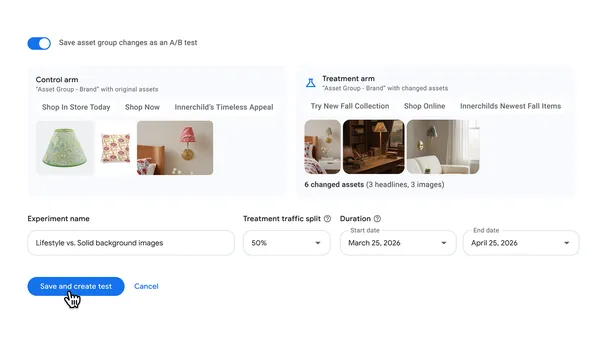 We’re introducing new multimodal capabilities into Google Ads’ Asset Studio — your creative destination to create, build and test your assets.
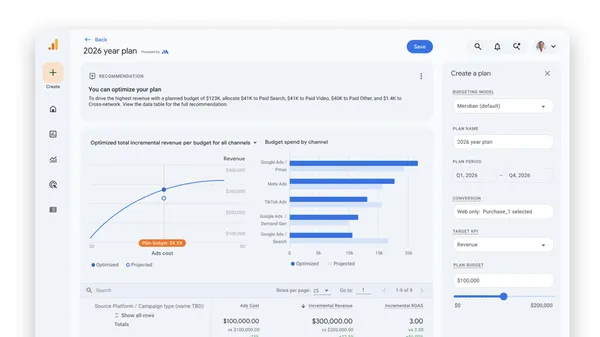 We’re bringing Meridian, our open-source MMM to Google Analytics and introducing Future Long-Term Conversions.
 Boost performance with YouTube Demand Gen. Use Gemini AI, Google Maps reach, and new creator tools to turn viewer intent into growth.
 At Google Marketing Live 2026, we announced new AI-powered advertising solutions to help marketers grow across Google and YouTube.